01
Retail tagging
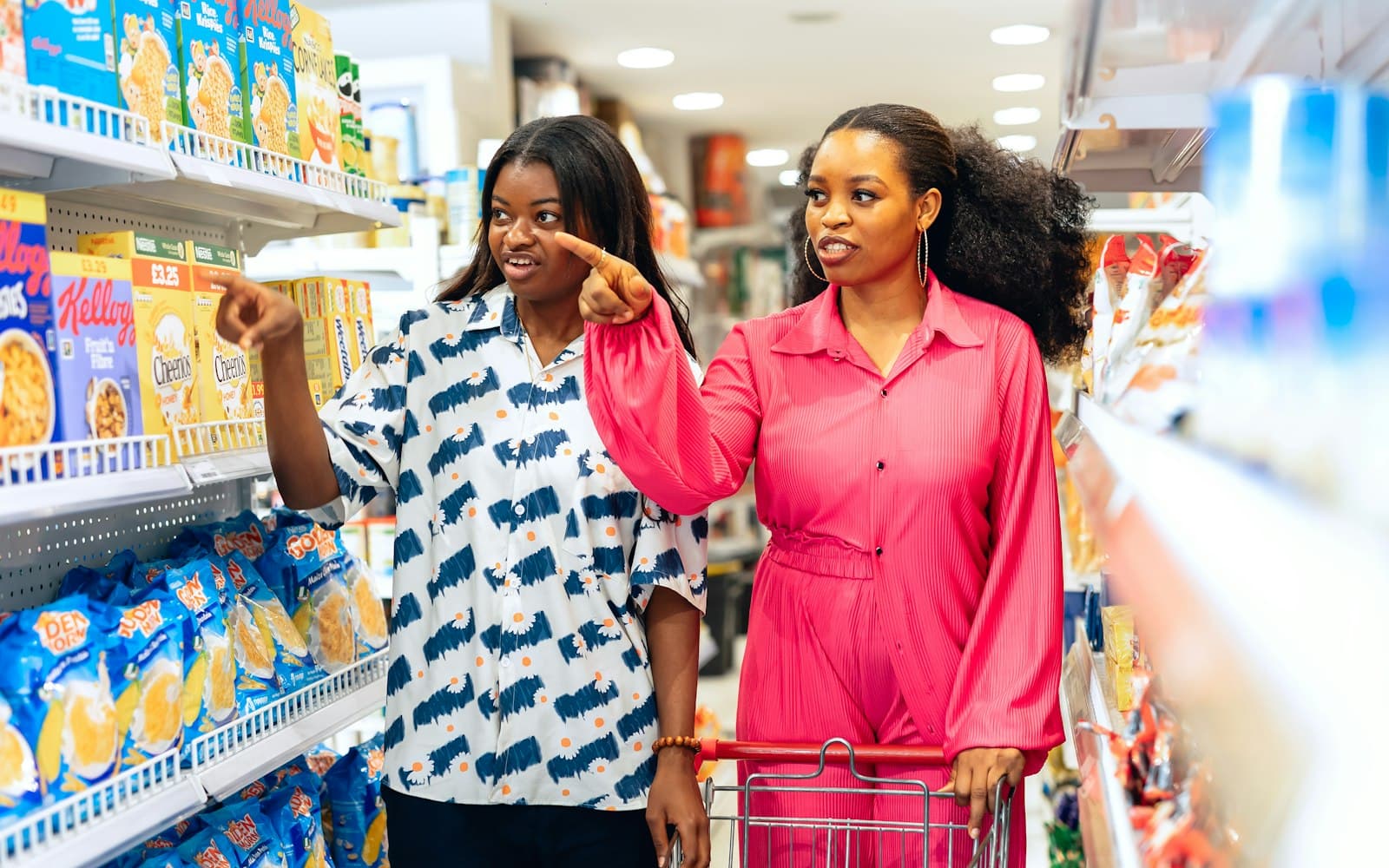
Products, shelves and store scenes labelled with the attributes your system needs, such as brand, category, facings and placement, so retail models learn to recognise what is on the shelf and where it sits.
Data & annotation
Need the raw data collected first?
See web scraping and dataA real example
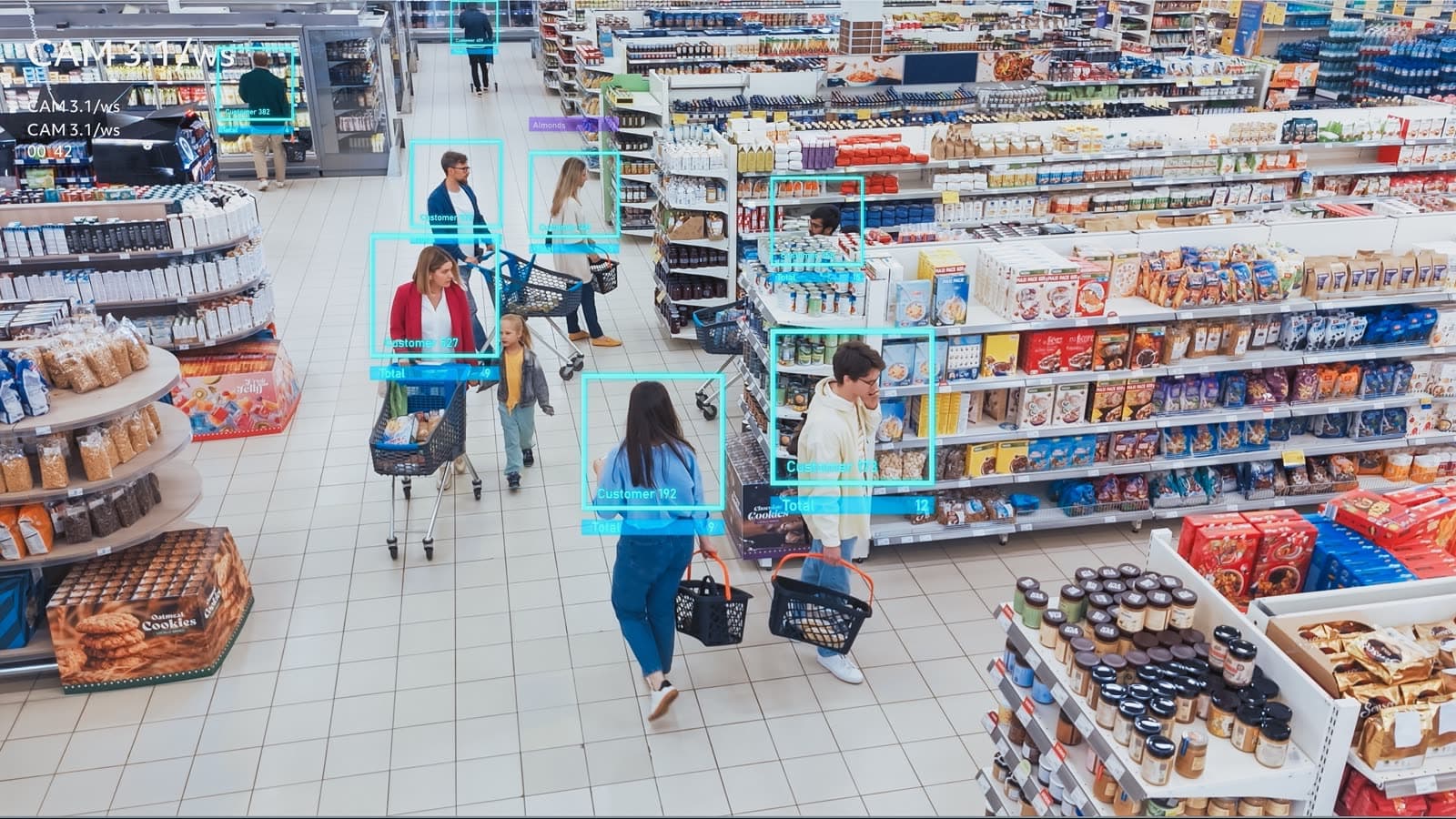
Clip and image © Veesion, shown with their permission.
Try it yourself
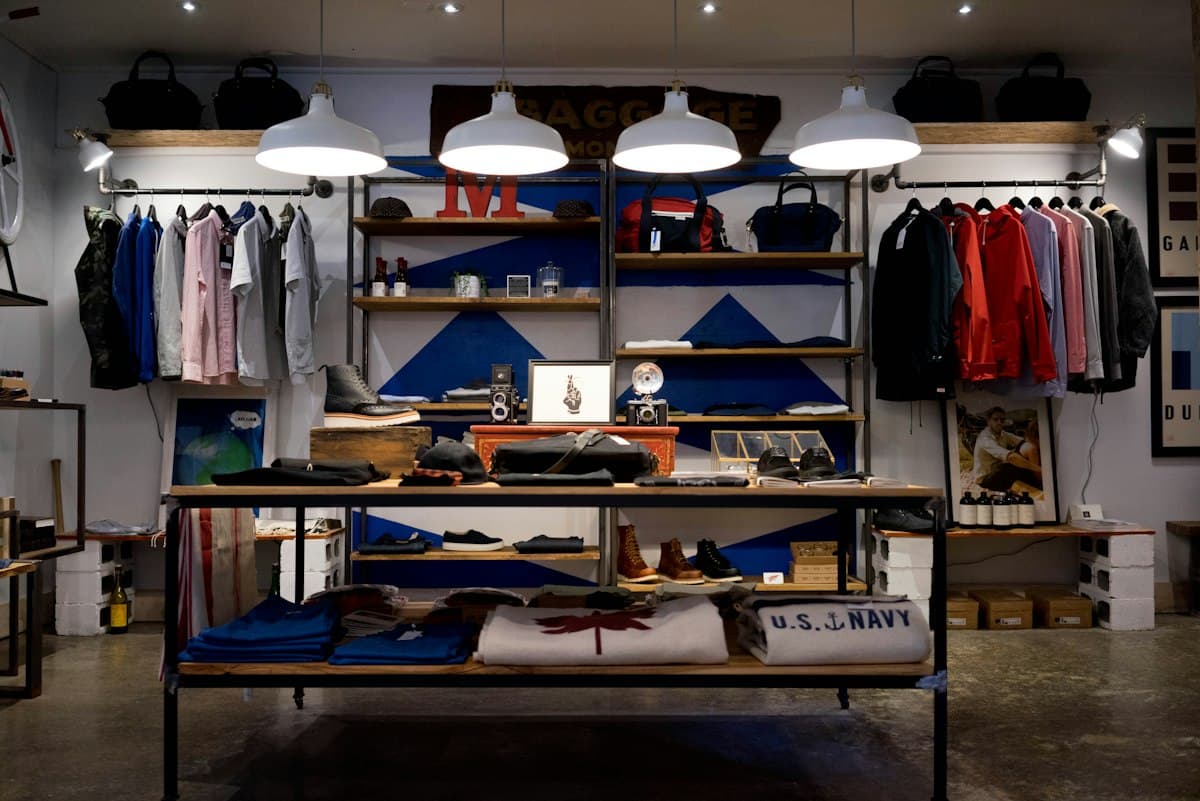
Products. A box and a name for every product on show. This teaches a model to find and count what is on the shelf.
Our own illustration, drawn on a stock photo so you can switch each kind of label on and off. It is not client footage.
What we label
01
Products, shelves and store scenes labelled with the attributes your system needs, such as brand, category, facings and placement, so retail models learn to recognise what is on the shelf and where it sits.
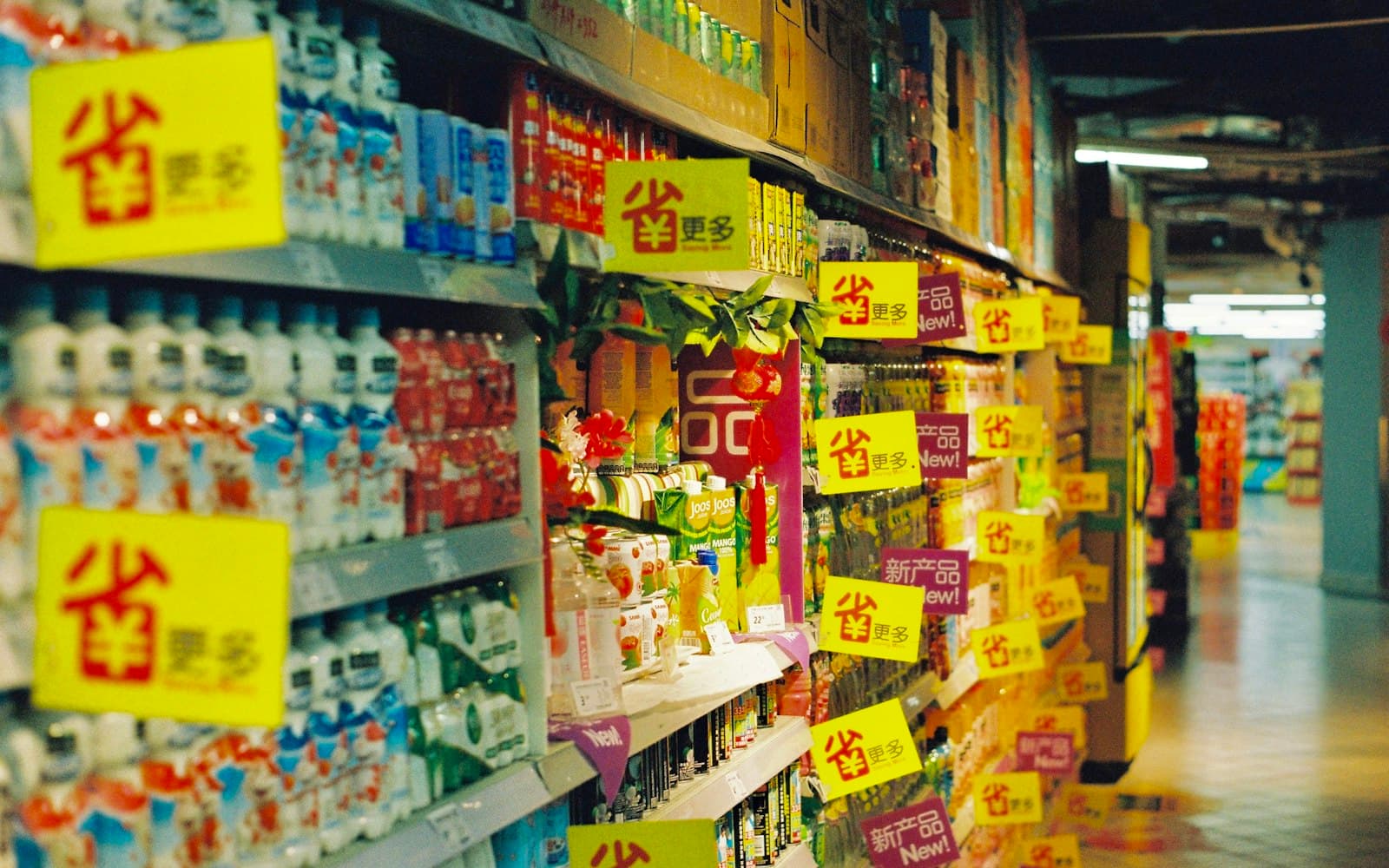
02
Shelf-edge and promotional labels captured and linked to the right product, giving pricing, compliance and promotion analysis a dependable source of data.
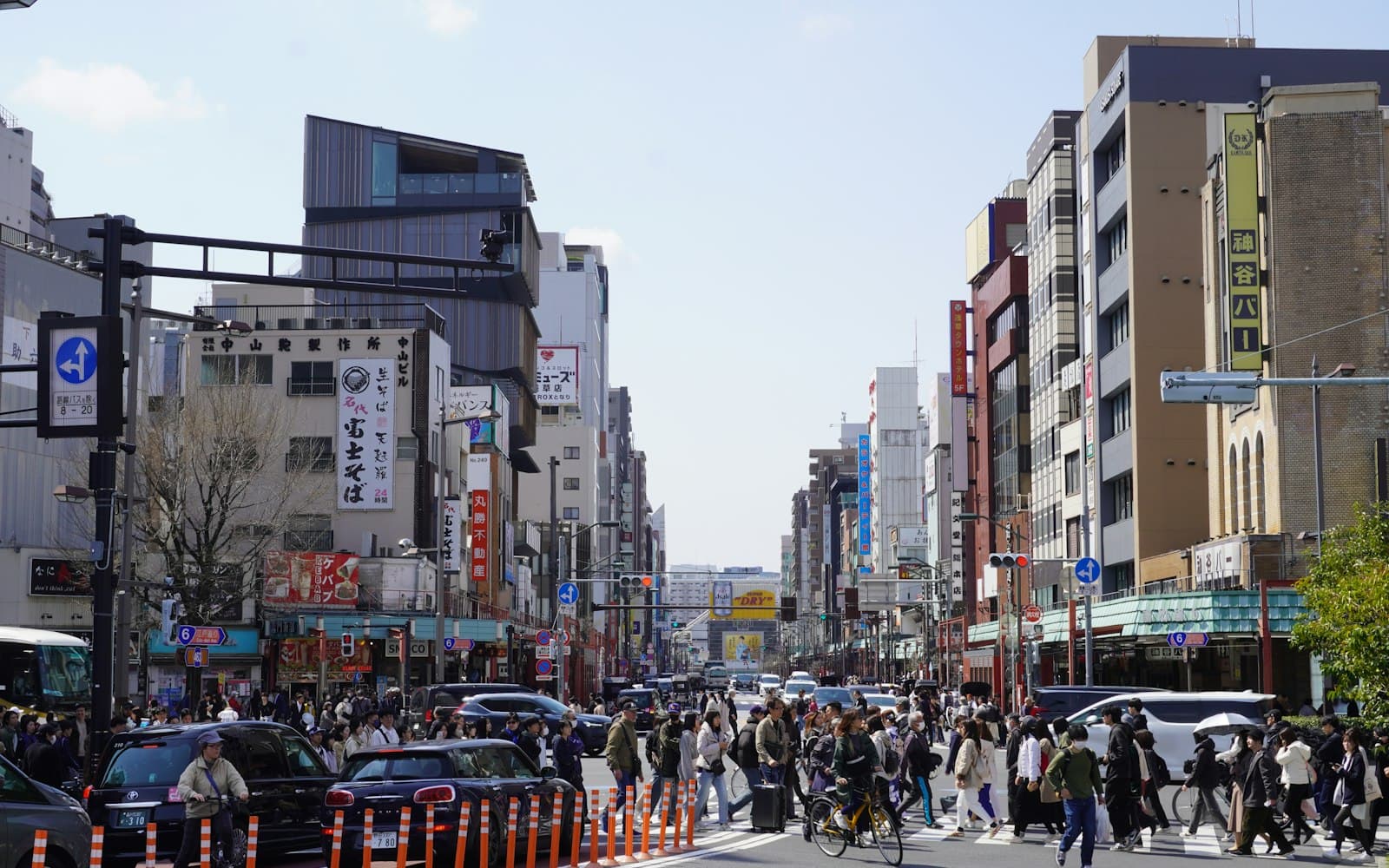
03
Tight, consistently drawn rectangles around each object class you define: the standard starting point for object detection and localisation models.
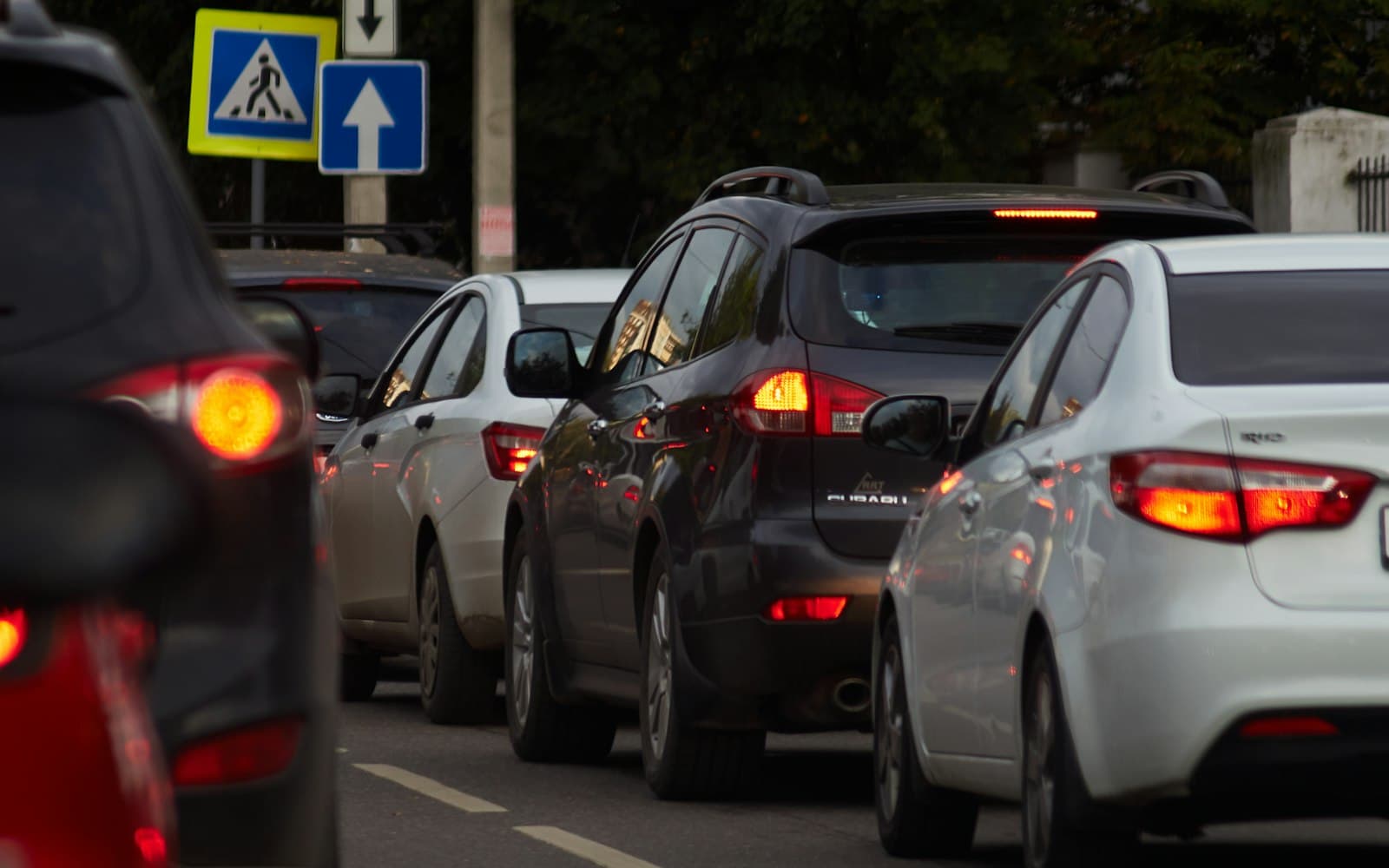
04
Cuboids that capture an object's position, size and orientation in space, for depth-aware work such as robotics, autonomous driving and warehouse inventory.
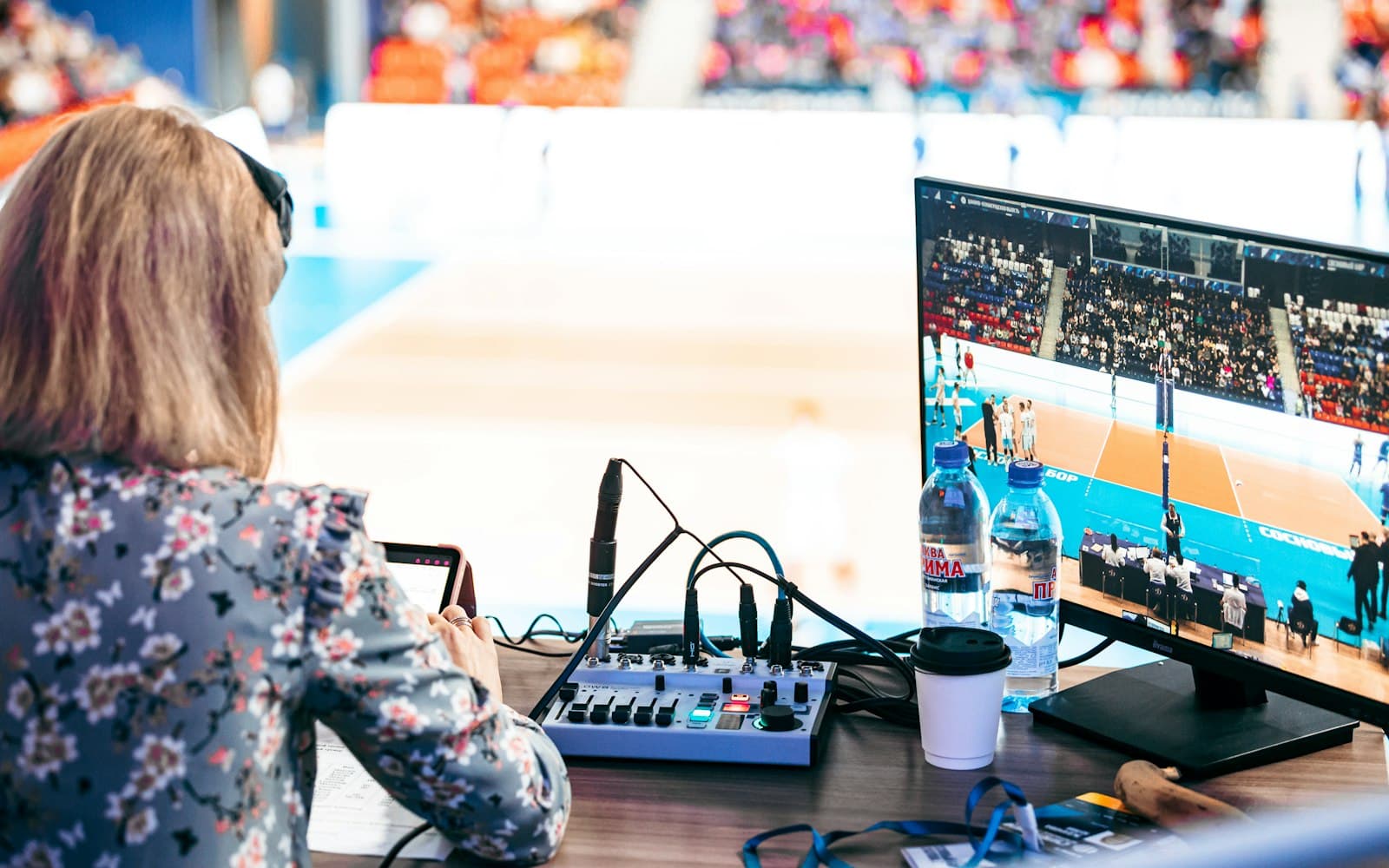
05
Players, the ball and key moments tagged across footage, so performance and tactical models learn from data labelled the way analysts think about the game.
What we offer
Precise outlines, semantic masks and instance segmentation for objects with irregular shapes.
Skeletal keypoints, facial landmarks and product reference points placed consistently across a dataset.
How we work
We agree label definitions, edge cases, formats and quality targets with you.
A small batch tests the guidelines before any volume work starts.
Trained annotators label to the agreed guidelines, with tooling to match.
Multi-stage quality review against the specification, with feedback loops.
Data in your format, with notes on what was checked, then we iterate.
Where it helps
Training models that spot empty shelf space, misplaced products and planogram breaks from store photos.
Building datasets that let a model read shelf prices and compare them against your price file.
Labelling camera and LiDAR data so vehicles, drones and robots can detect and locate what is around them.
Keypoint datasets for fitness, sports and ergonomics applications that need to understand body position.
Output formats
Questions
Yes. We start from your existing guidelines or write a specification with you, then run a pilot batch so both sides can settle edge cases before full production.
Batches go through multi-stage review against the agreed specification. We agree quality targets and sampling rules with you before work starts and share review results with each delivery.
Yes. We can work in your platform, or in an open-source tool such as CVAT or Label Studio, and deliver in whichever format your pipeline expects.
Match footage turned into data: who was where, what happened and when, for coaches, scouts and media teams.
Explore service
Software that watches video for you and flags what matters, from recorded footage to live alerts.
Explore service
People who review, rank and correct what an AI writes, so it learns the tone and judgement you want.
Explore serviceIdea → Architecture → Prototype → Production → Scale
Tell us what you're trying to build, test, automate or improve. We'll tell you honestly where we can make a real difference, and where we can't.