We mark up your images and video, saying what each thing is and where, so AI can learn to recognise it.
Explore serviceData & annotation
What we offer
Verbatim or clean-read transcripts written to your style guide, including rules for fillers, false starts and numbers.
Speaker turns identified and labelled, including overlapping speech in calls, meetings and interviews.
Utterance, phrase or word-level timestamps and segments aligned precisely to the audio.
Non-speech sounds such as music, alarms, laughter and background noise labelled with start and end times.
Transcription across languages, dialects and accents, including switching between languages within one recording.
Caller intent, sentiment and emotional tone labelled for voice assistants and contact-centre analytics.
How we work
We agree label definitions, edge cases, formats and quality targets with you.
A small batch tests the guidelines before any volume work starts.
Trained annotators label to the agreed guidelines, with tooling to match.
Multi-stage quality review against the specification, with feedback loops.
Data in your format, with notes on what was checked, then we iterate.
Where it helps

Building and extending speech recognition datasets for new domains, accents or noisy environments.
Labelling calls for intent, outcome and sentiment so teams can understand why customers get in touch.
Training and testing voice interfaces with realistic, well-labelled commands and conversations.
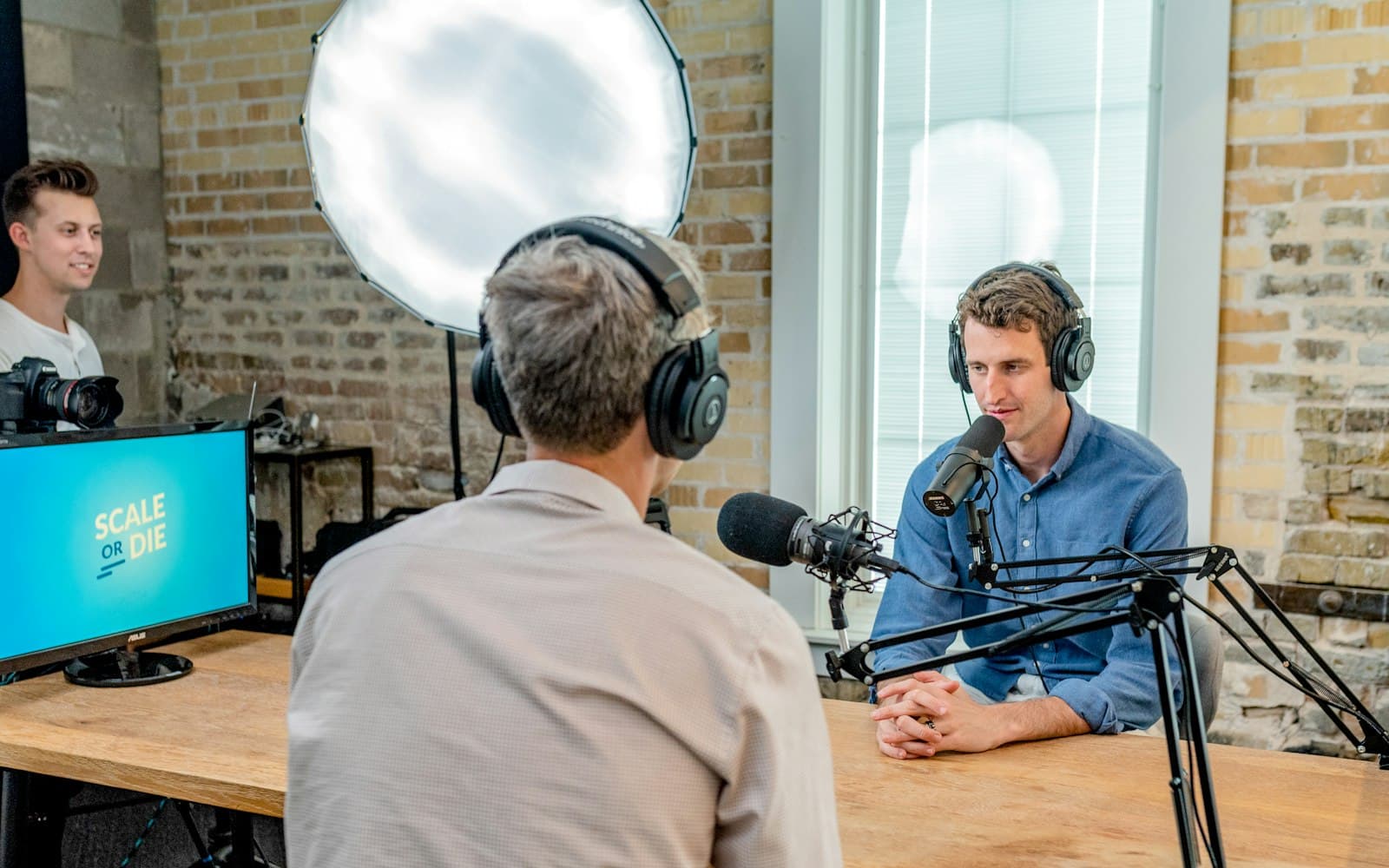
Producing timed transcripts and captions for podcasts, video libraries and training content.
Output formats
Questions
Both. We agree a style guide with you covering fillers, repetitions, numbers, sound tags and unclear speech, so every transcriber follows the same rules.
Yes. We mark unclear or inaudible passages rather than guessing, and flag files that are too degraded to transcribe reliably.
We work under NDA if needed, restrict access to the people on your project and can redact personal details in transcripts on request.
We mark up your images and video, saying what each thing is and where, so AI can learn to recognise it.
Explore service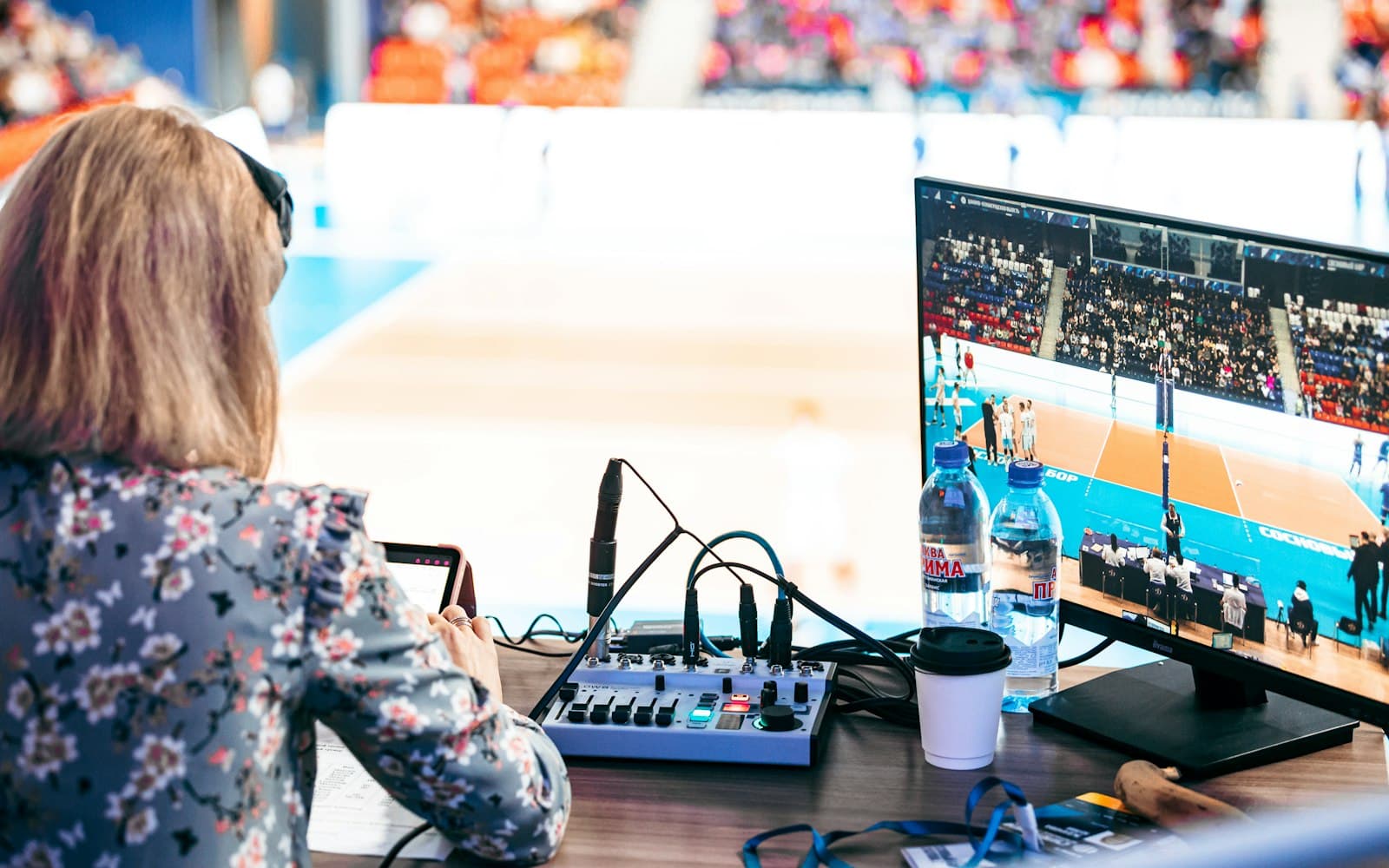
Match footage turned into data: who was where, what happened and when, for coaches, scouts and media teams.
Explore service
Software that watches video for you and flags what matters, from recorded footage to live alerts.
Explore serviceIdea → Architecture → Prototype → Production → Scale
Tell us what you're trying to build, test, automate or improve. We'll tell you honestly where we can make a real difference, and where we can't.